



Skip to content
Chevron Chevron
Portugal EUR Chevron
ALVOR HOTEL CHAIR +351

ALVOR HOTEL CHAIR +351

€2.000,00

Atelier Daciano da Costa brings design heritage into the present with +351’s contemporary spirit.

ALVOR HOTEL CHAIR +351

We accept

American Express Apple Pay Bancontact Google Pay iDEAL Wero Maestro Mastercard Multibanco MobilePay Multibanco PayPal Shop Pay Union Pay Visa

ATELIER DACIANO DA COSTA x +351 

ALVOR HOTEL CHAIR

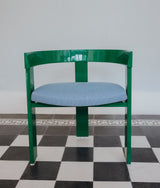
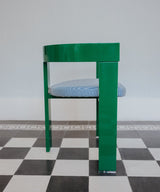
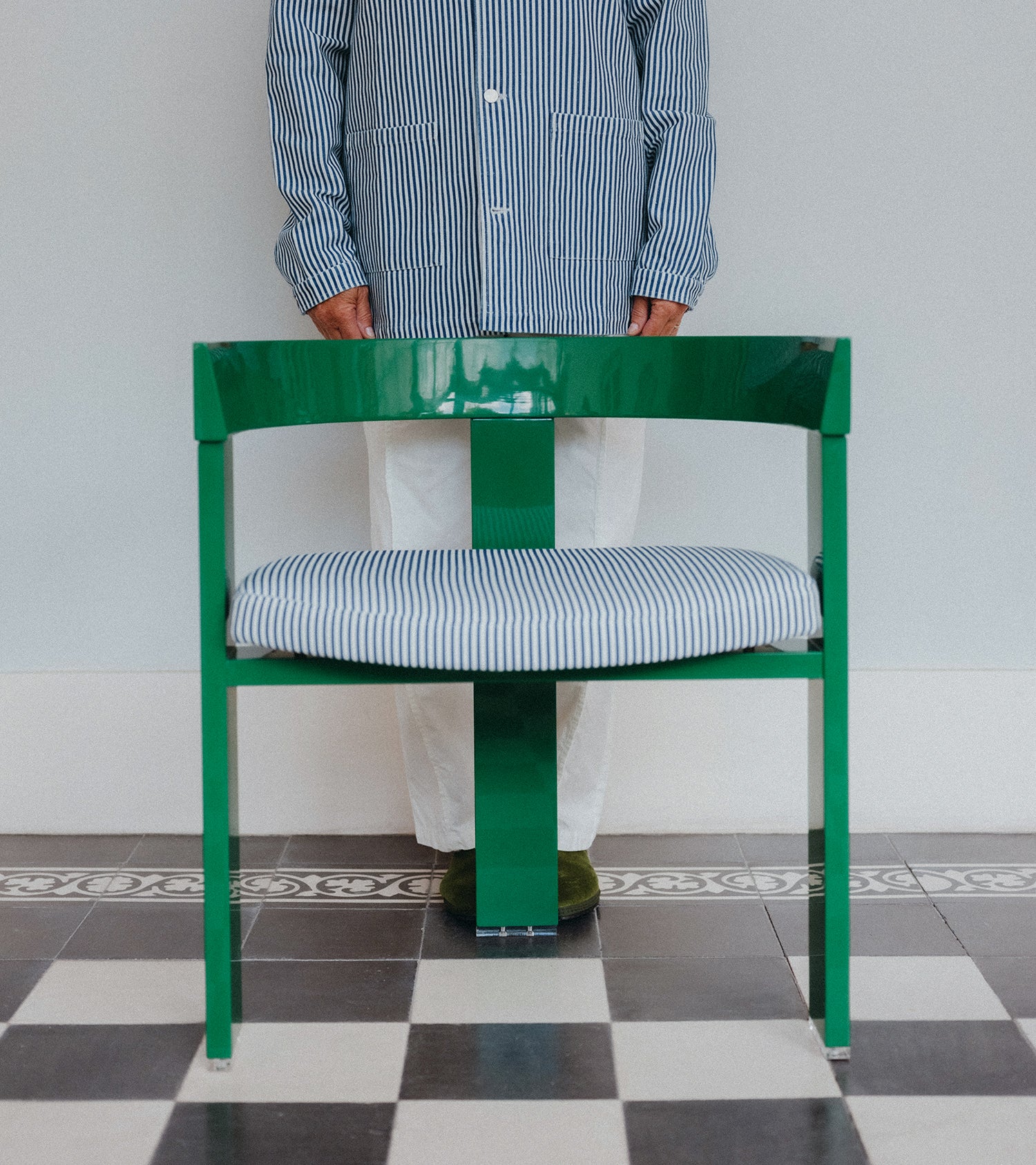
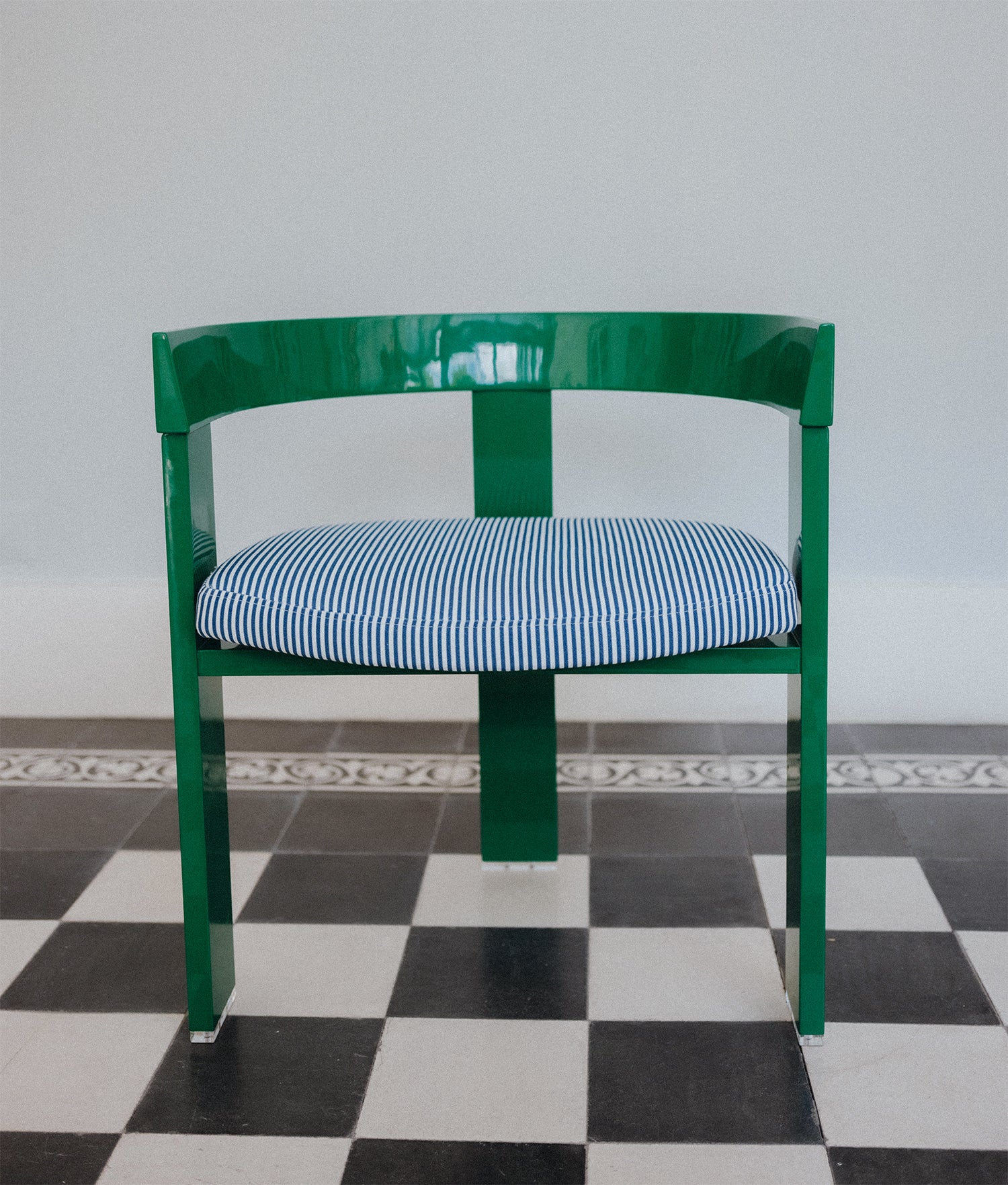
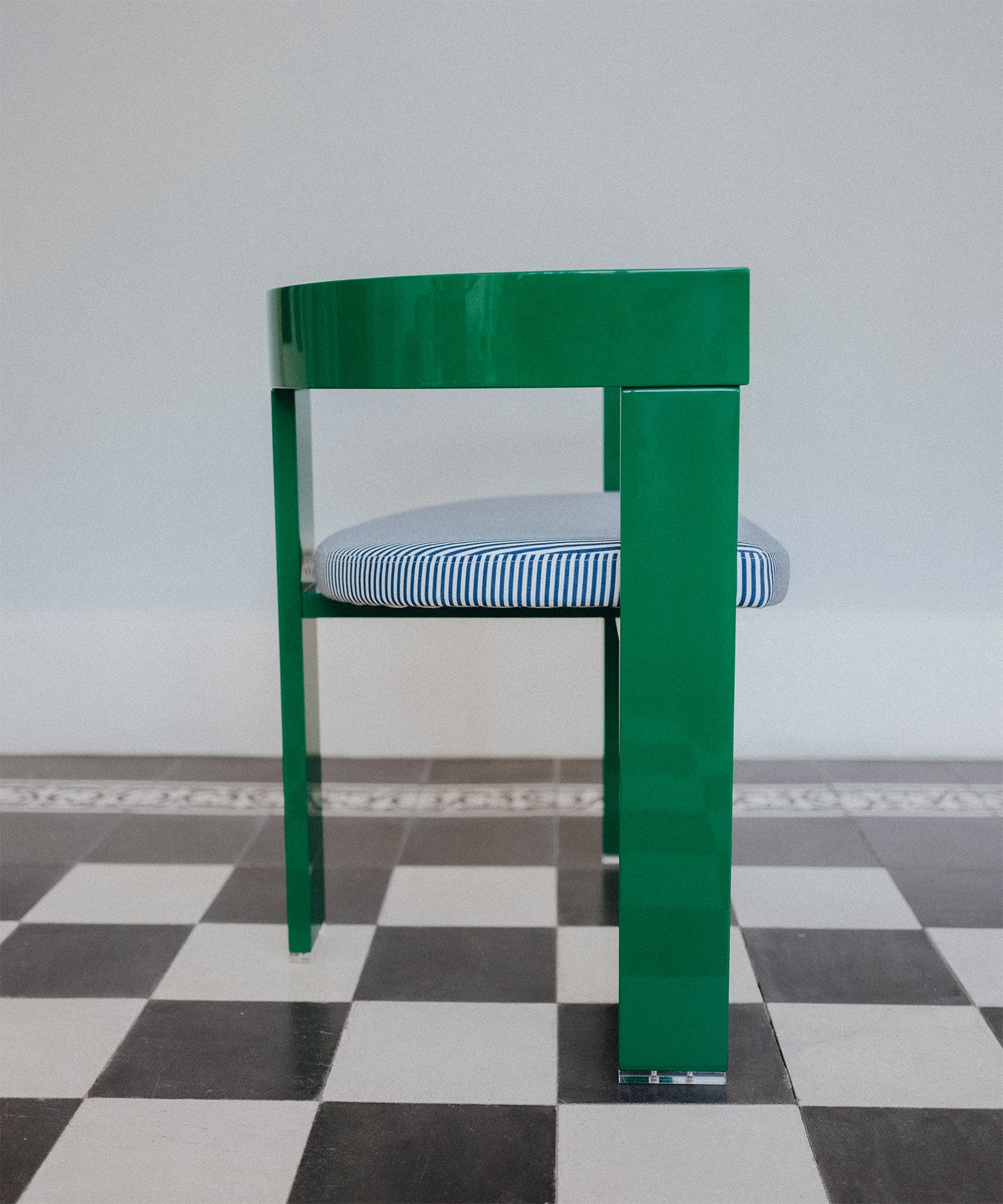
+351 joins forces with Atelier Daciano da Costa to celebrate the timeless Alvor Chair — a 1966 design classic created for the Alvor Praia Hotel. With clean lines and colours inspired by Algarve fishing boats, it reflects the bold vision of Daciano da Costa, a pioneer of Portuguese design. Now part of the Vitra Design Museum’s collection, the chair represents a legacy of form, function, and creativity. This collaboration bridges fashion and furniture, bringing heritage into the present with +351’s contemporary spirit.

In close cooperation with Daciano’s familly, the Atelier Daciano da Costa guarantees that each piece gives the exact design experience of comfort, aesthetics and quality that Daciano da Costa intended for the user - a feeling that only the original can offer. Pieces by skillful handwork production characterized by a rigorous methodology faithful to the originals.

Designed by Daciano da Costa

Made in Portugal


powered by
% CO2e
Below category's global average

Product Life Cycle Analysis

0%
Raw Materials Extraction and processing of raw materials (agriculture, mining, logging) create environmental impacts before manufacturing begins.
0%
Manufacturing Production consumes energy, water, and other raw materials, resulting in emissions and natural resource depletion.
0%
Packaging Packaging materials such as plastic, paper and metal are used to accommodate and transport the product, contributing for their carbon footprint.
0%
Distribution The transportation of goods generates greenhouse gas emissions, influenced by transport type, distance, and logistics.
0%
Use Phase & End of Life Product usage may consume energy and resources through a certain lifespan, while its disposal may result in landfilling, incineration and recycling, releasing greenhouse gases.
A product life cycle analysis (LCA), in terms of carbon footprint, assesses the total greenhouse gas emissions generated at each stage of a product’s life, from raw material extraction to production, distribution, use, and disposal.
Product Image